Blog
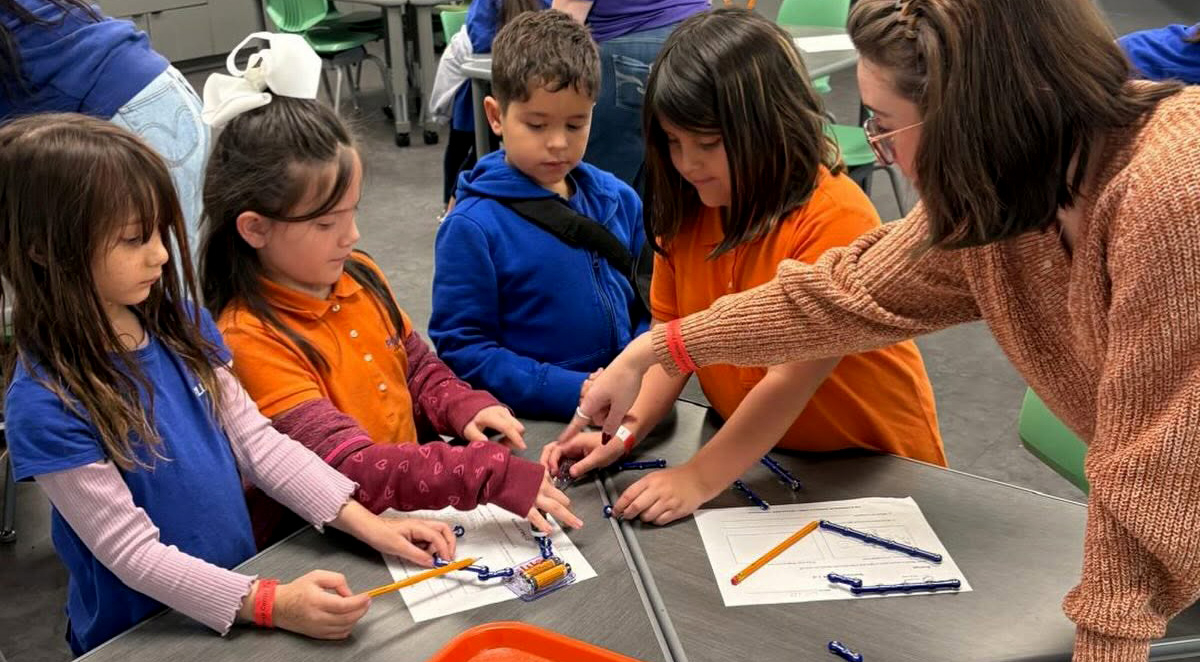
Every family touring a private school asks about class size, and for good reason. Parents intuitively understand that a child sitting in a room with 28 other students has a different school day than a child sitting in a room with 14. What is harder to articulate is exactly what changes, and whether that difference is worth building an entire educational model around.
At Pluris Academy in Orlando, small class sizes are not a marketing footnote. They are the structural condition that makes everything else we do possible: the project work, the entrepreneurial pathways, the individualized pacing, and the relationships between teachers and students that turn a school into a community. This article looks at the research behind class size, explains what small actually looks like on our campus, and shows how it reshapes the daily experience for a student.
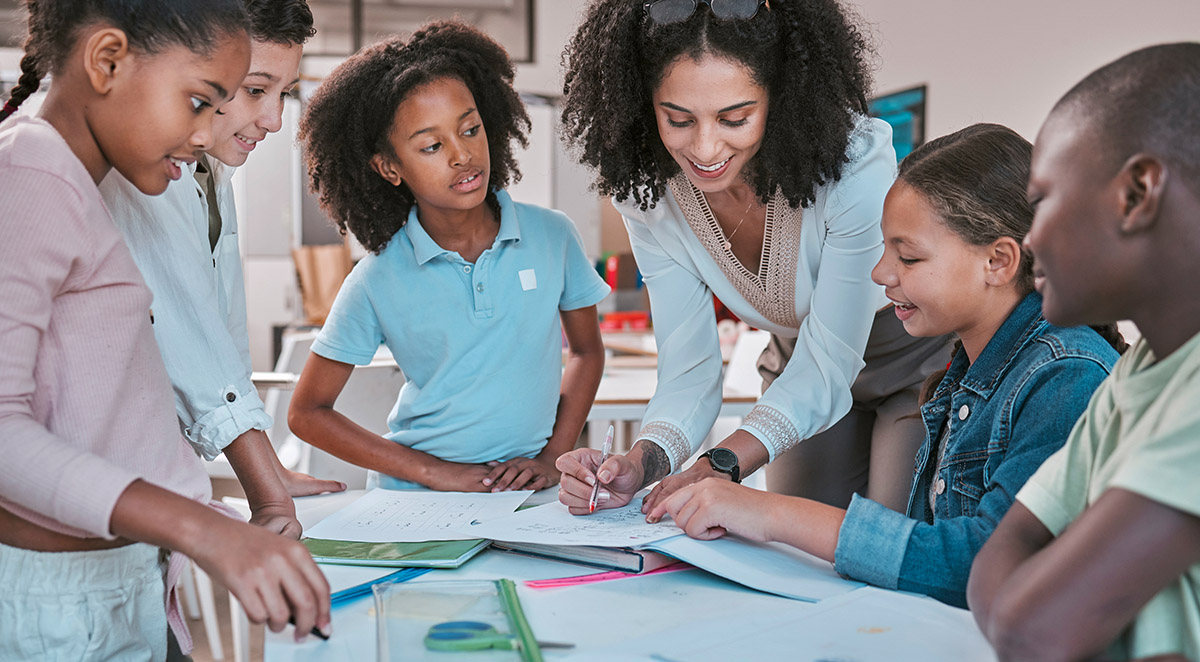
Every world-changing company has an origin story, and an astonishing number of them start in the same place: a garage. Apple, Amazon, Google, Disney, Hewlett-Packard. Before the billion-dollar campuses and the global influence, there were scrappy founders with big ideas, limited resources, and a willingness to build something from nothing. The garage has become more than a physical space. It is a symbol of what happens when creativity meets courage and when constraints become catalysts.
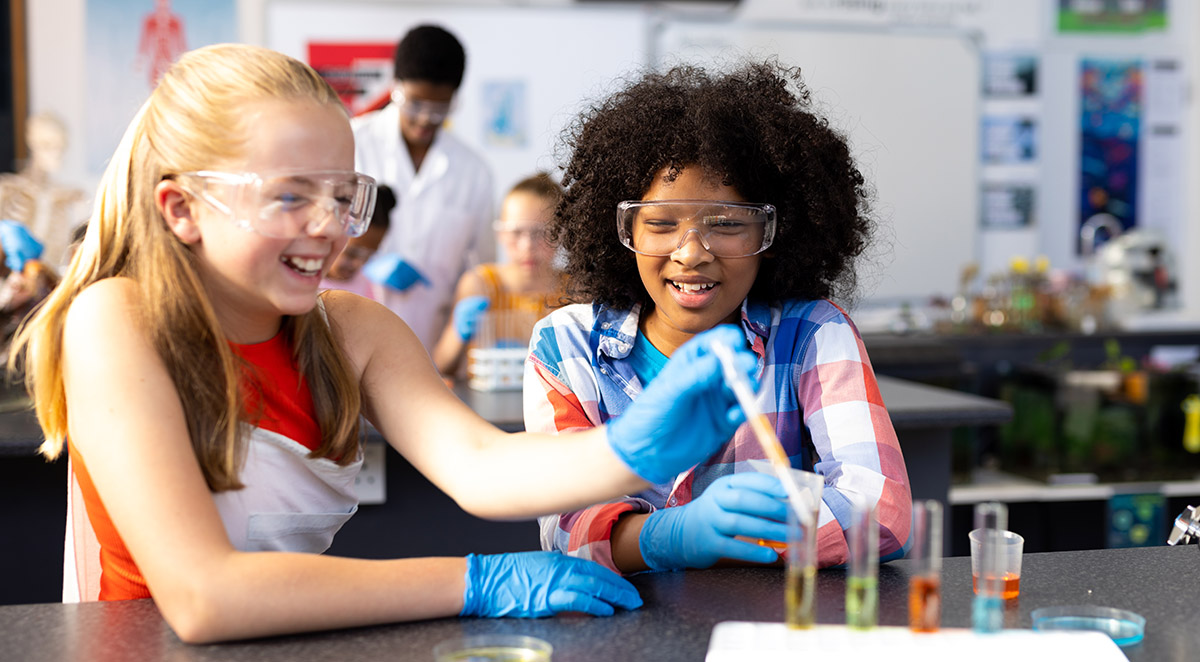
Parents exploring private schools in Orlando often encounter the term "project-based learning," but separating substance from buzzword can be difficult. Is it actually backed by research? Does it lead to stronger academic outcomes, or is it just a trendy alternative to proven methods? These are fair questions, and exploring project-based learning carefully will help you choose the best school for your child.
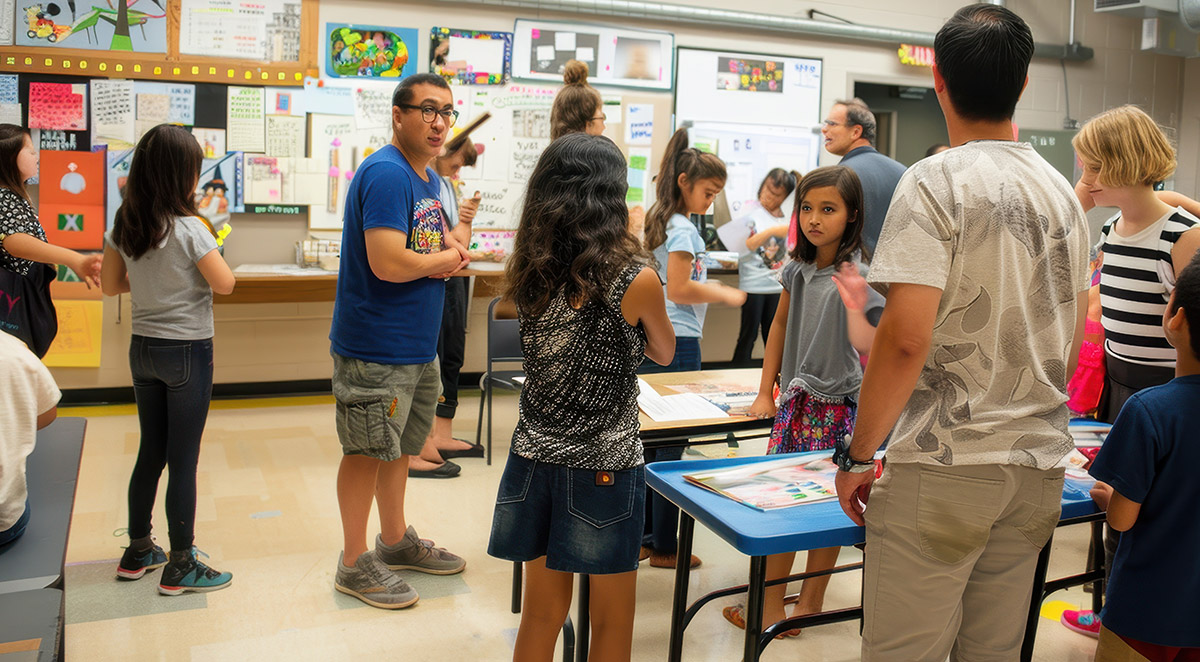
Private school online research, recommendations, and review pages are important, but nothing replaces setting foot on campus and experiencing a school firsthand. The open house visit is where your instincts, observations, and questions come together to form a picture that no website can deliver. A private school open house is your single best opportunity to evaluate whether a school's culture, teaching philosophy, and environment are the right fit for your child.
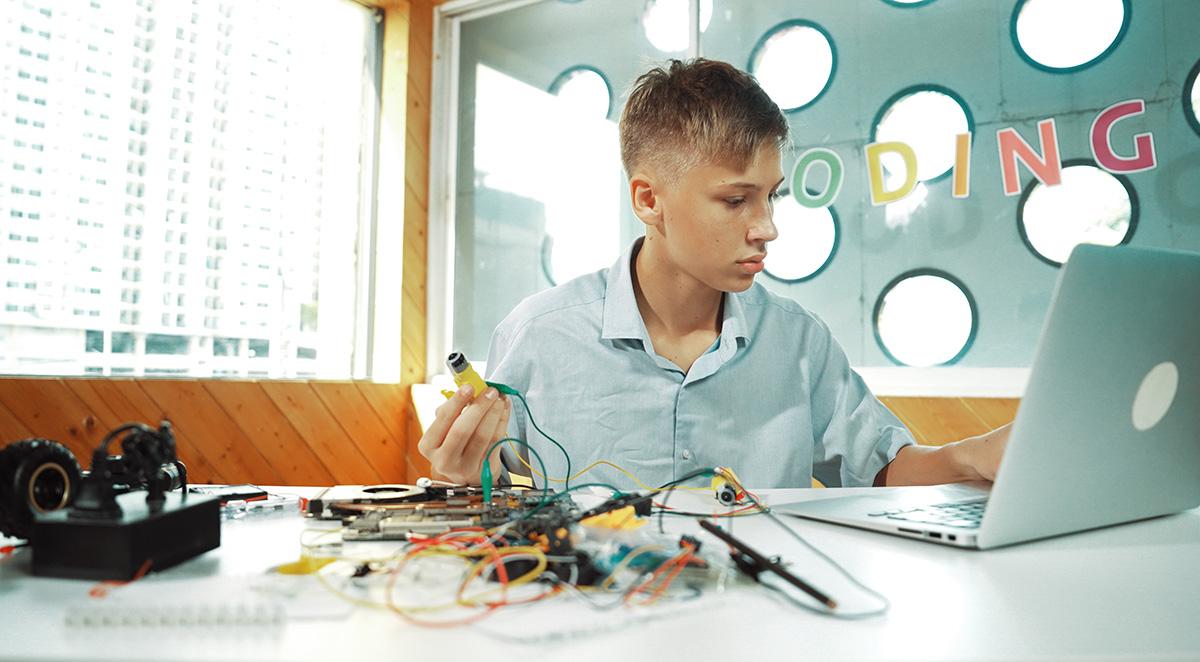
When your child walks across a graduation stage in 2030 or 2035, the job they eventually take may not exist today. Is the education your child is receiving right now actually preparing them for the world they will inherit?
At Pluris Academy in Orlando, we built our entire model around that question. This article looks at what the research says the future of work will demand, why so many schools are quietly preparing students for a world that is disappearing, and how a future-ready education in Orlando can close that gap.
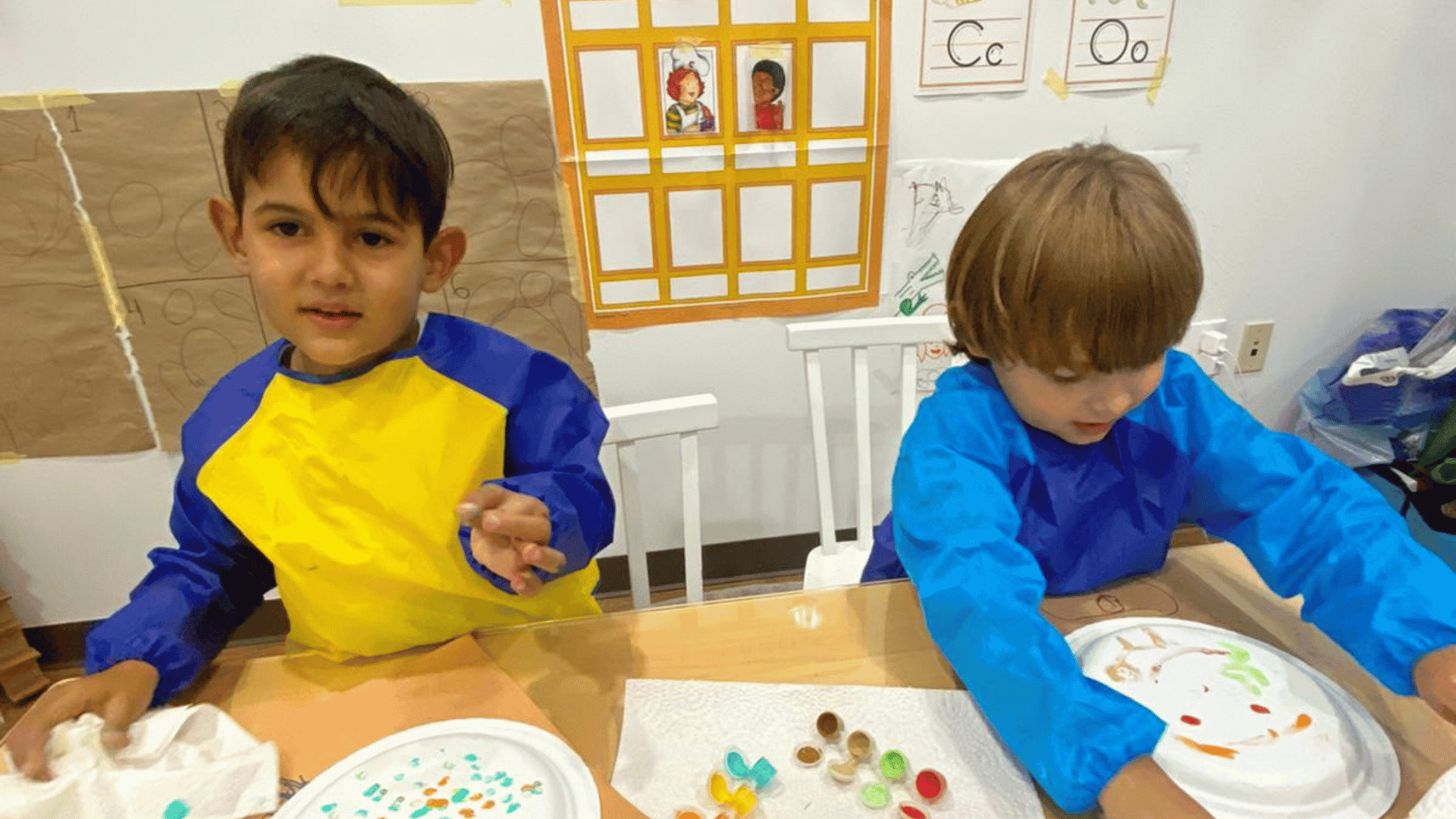
Academic achievement has always been the most visible measure of a school's success. Test scores, GPAs, and college acceptance rates are easy to point to, and for a long time they were treated as the full picture. In the years since the pandemic, however, parents, educators, and researchers have come to a shared and overdue conclusion: academic achievement without social-emotional health is not a complete education.
Social-emotional learning, commonly called SEL, describes the process through which students develop the self-awareness, interpersonal skills, emotional regulation, and resilience that determine how they function in the classroom, in relationships, and eventually in careers. These are not soft skills. They are foundational capacities that research has consistently linked to long-term academic performance, mental health, and professional success. And they are capacities that many traditional schools are structurally unable to prioritize.
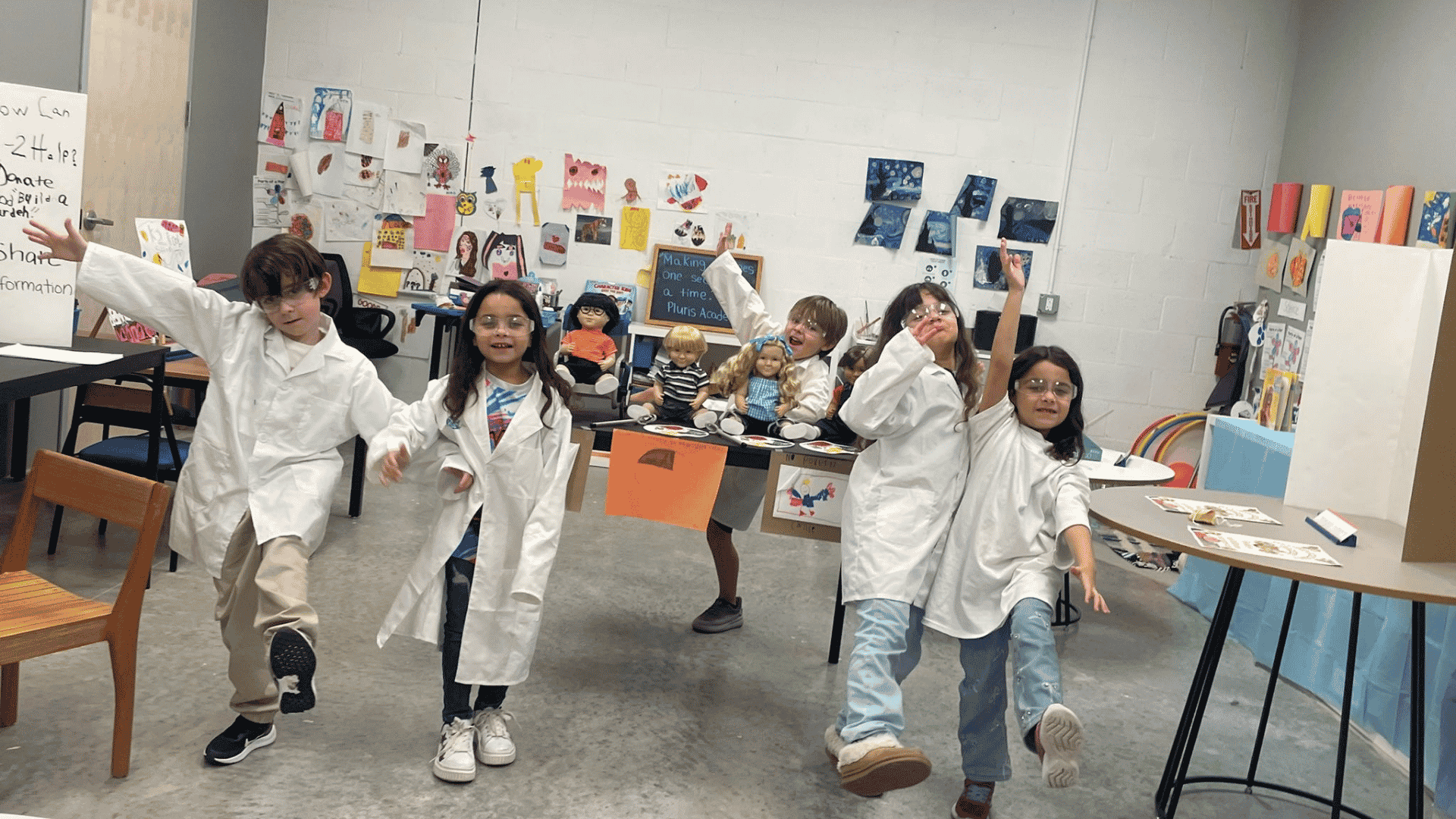
It is one of the most honest questions a parent can ask, and it deserves an equally honest answer. Private school is a significant financial commitment, and no family should make that decision without understanding exactly what they are paying for, what alternatives exist, and what the real return on that investment looks like over time.
This guide is written for Orlando families who are genuinely weighing the question. Not as a sales pitch, but as a straightforward look at what private school does and does not offer, what the data says about outcomes, and how schools like Pluris Academy are changing the value equation in ways that deserve serious consideration.

College admissions has grown more competitive with each passing year. For families in Orlando choosing a private school, the question is not simply whether a school calls itself "college preparatory." The real question is whether the school has the programs, the philosophy, and the track record to back that label up with results a student can take into any admissions process with confidence.
At Pluris Academy, college readiness is not a department or a checklist. It is woven into the academic experience from the earliest grades, and by the time a Pluris student begins working on applications, they have spent years building the exact qualities that admissions officers most want to see: intellectual curiosity, demonstrated initiative, real-world experience, and the ability to communicate what makes them genuinely different.